

Is your website working for you or against you? What makes a site bring in clients
A website that is only good-looking is like a shop window with the door locked. These are the things that turn it into a channel that brings real enquiries.
By Kaizen editorial team3 min read
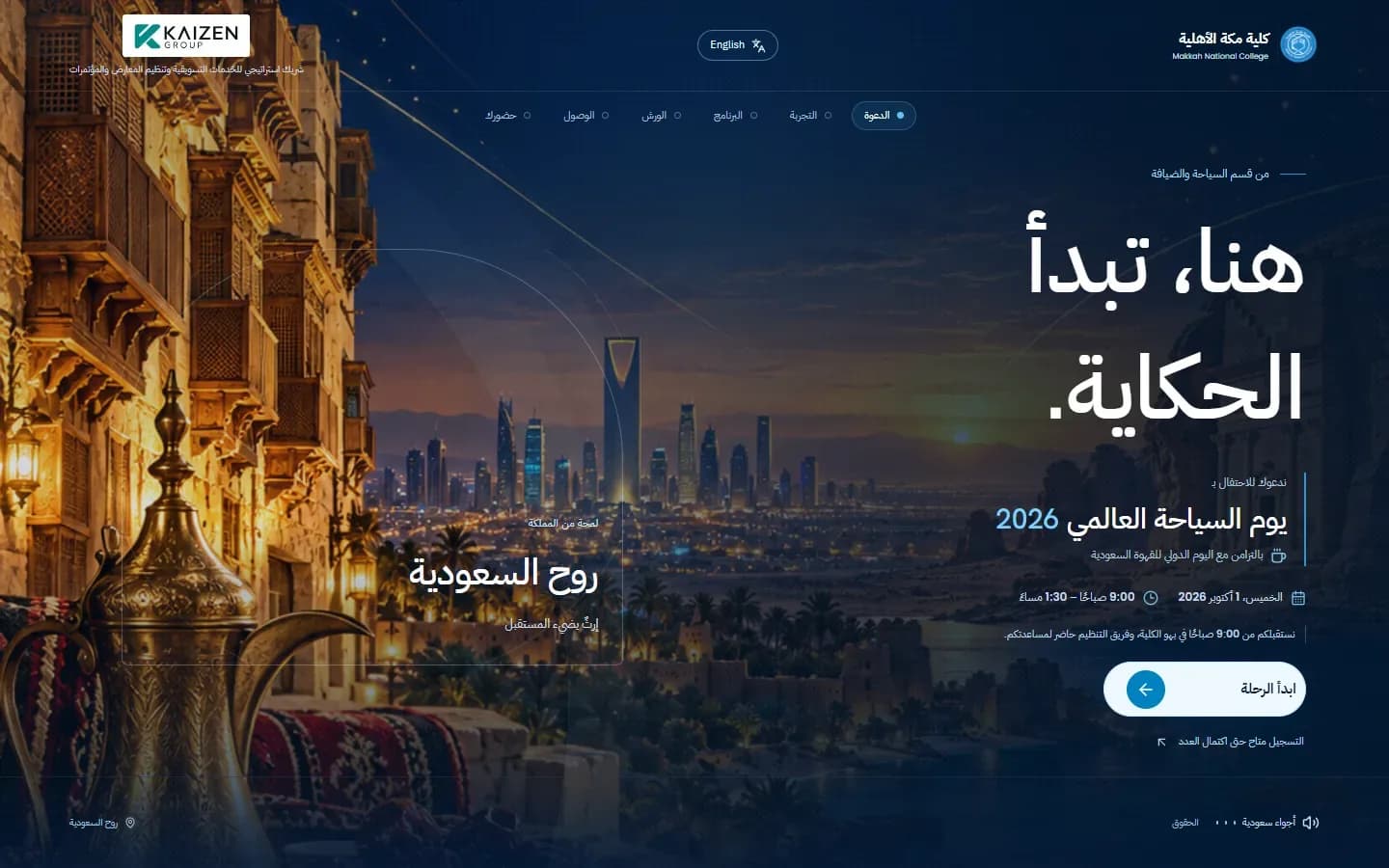
Before a new client calls you, they will most likely search for you and visit your website. In that first minute they decide whether you know what you are doing. A website is not an online business card; it is an employee who works around the clock and either draws the client in or turns them away.
Speed before anything
Visitors don’t wait. A page that is slow to appear on a phone loses some of its visitors before they see anything, and it slips in search results too. Compressed images, the right hosting and clean code are not technical details; they are the first impression.
Mobile first
Most visits now come from phones. A responsive website is not just a smaller page; it is a rearranged one: buttons easy to tap, text readable without zooming, and a short path to getting in touch.
Two languages without breaking anything
If your audience speaks Arabic and English, the site needs two complete languages, not a machine translation in a corner. Right-to-left layout, typefaces and the order of elements all need considered design in each language.
Search starts with how the site is built
Search optimisation is not added after launch. It starts with page titles and descriptions, the link structure, structured data, loading speed and the sitemap. A site built ready for search saves months of trying later.
Every visit is measured
Connecting the site to analytics and digital marketing tools such as Google Analytics and the Conversions API makes every campaign smarter: you know where the client came from, what they did, and which ad brought the enquiry.
A control panel in your hands
A website that needs a developer to change a photo or add news soon stops being updated. A clear control panel lets your team add and edit things themselves, so the site stays alive.
From our work
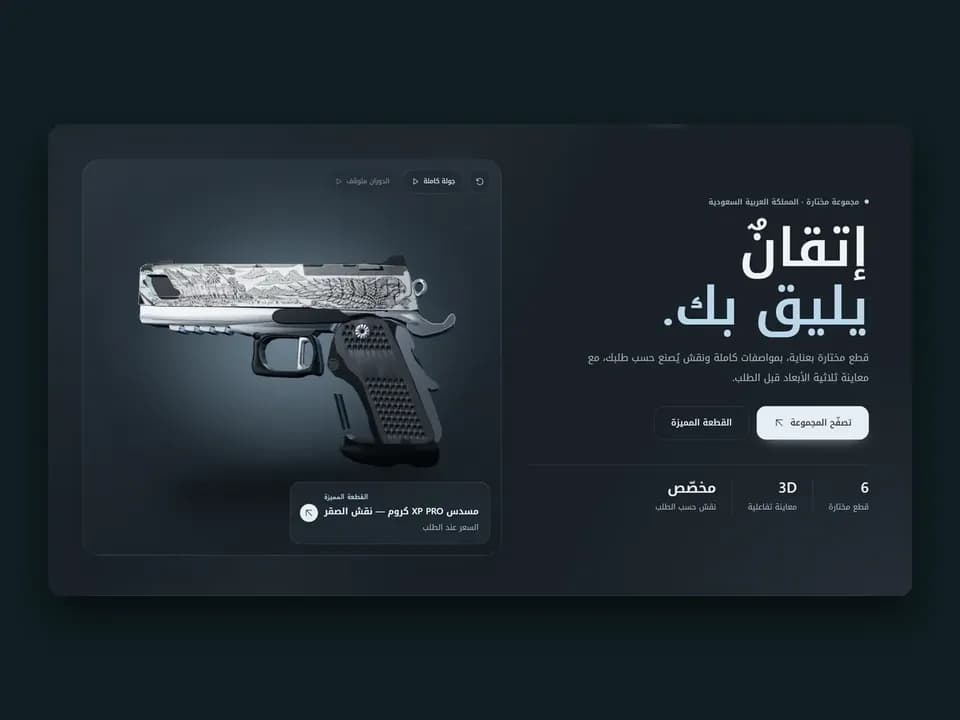
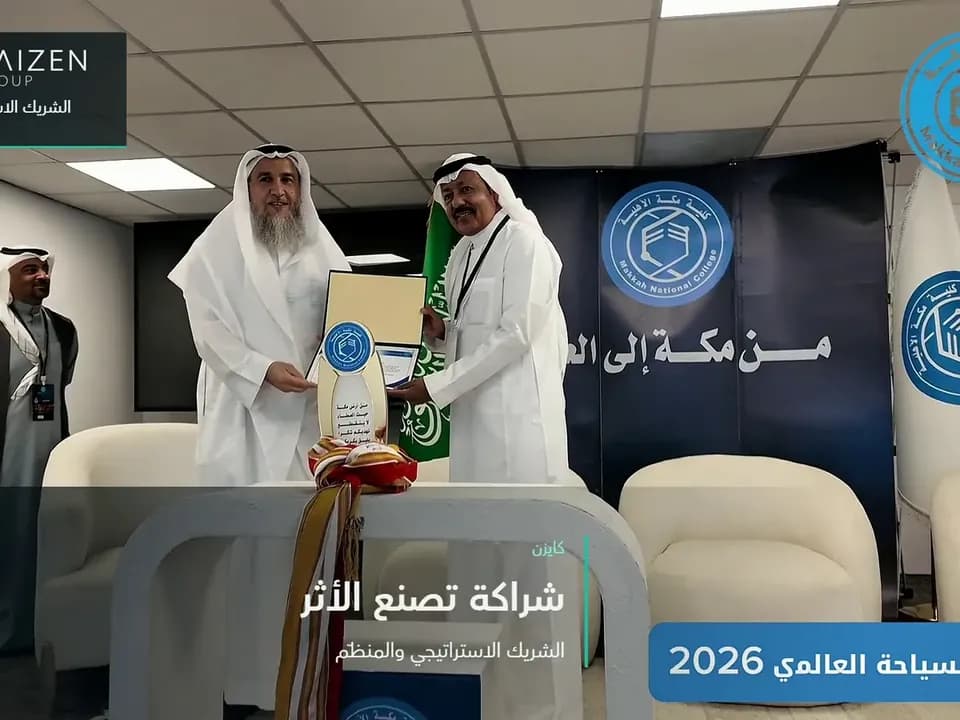
For the Silver Precision store we designed the interfaces and built a store in Arabic and English, with 3D product views, ordering functions and an admin dashboard. For World Tourism Day at Makkah College we built a bilingual registration platform that emails every registrant a QR ticket, with a check-in gate at the entrance and an attendance dashboard.
Before you order your website
- What should the visitor do?
- How many pages do you need, and in which languages?
- Who will update the content after launch?
- Do you have a domain and official email addresses?
- Will the site be connected to ad campaigns?
Frequently asked questions
How many pages does my website need?
It depends on your business: the small-company plan has one to two pages, the medium plan three to five, and the large plan is a multi-page website; more pages can be added later.
Can I edit the website myself after launch?
Yes. Every website plan includes a control panel for editing.
Is the website ready for search engines?
The medium-company plan is search-optimised, and the large-company plan includes full optimisation and complete SEO management.
Read also
Exhibitions and conferences3 min read
Booth design: seven decisions that separate a stand people visit from one they walk past
A visitor has a few seconds to decide whether to step into your stand or keep walking. These seven decisions settle those seconds, from the first idea to installation night.
Media production3 min read
One day, months of content: how to plan your event coverage before it starts
The event ends in the evening, but its photos and films can keep working for you for months. The secret is planning the coverage before day one, not after.
Identity and design3 min read
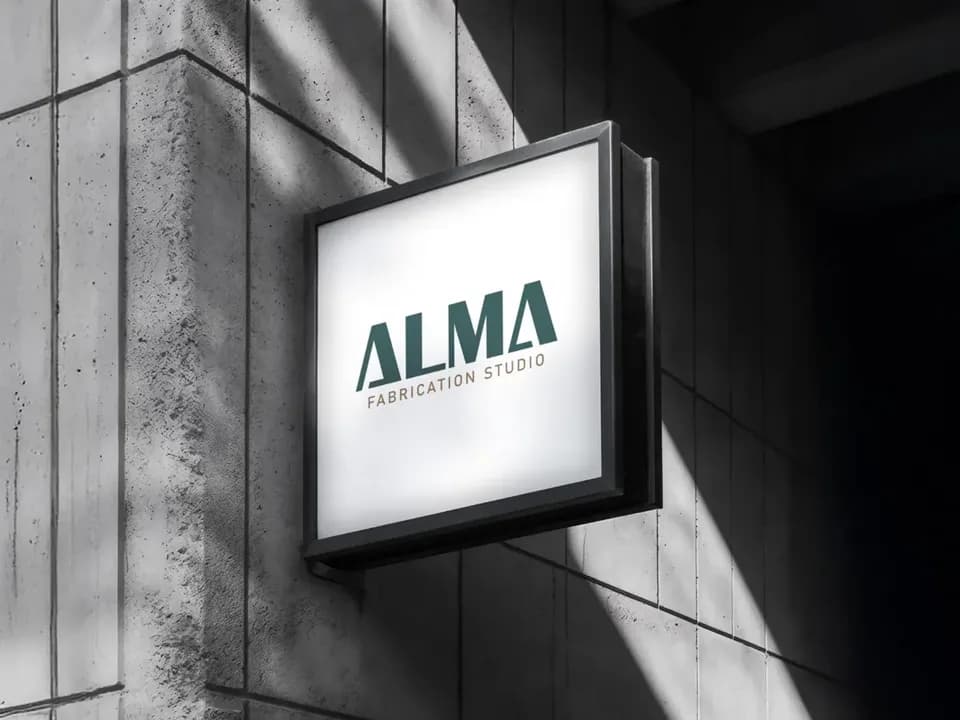
Before you order a logo: what your brand really needs from a visual identity
The logo is the part everyone sees, but it is not the whole identity. Here is what makes a brand recognisable at a glance and consistent wherever it appears.